
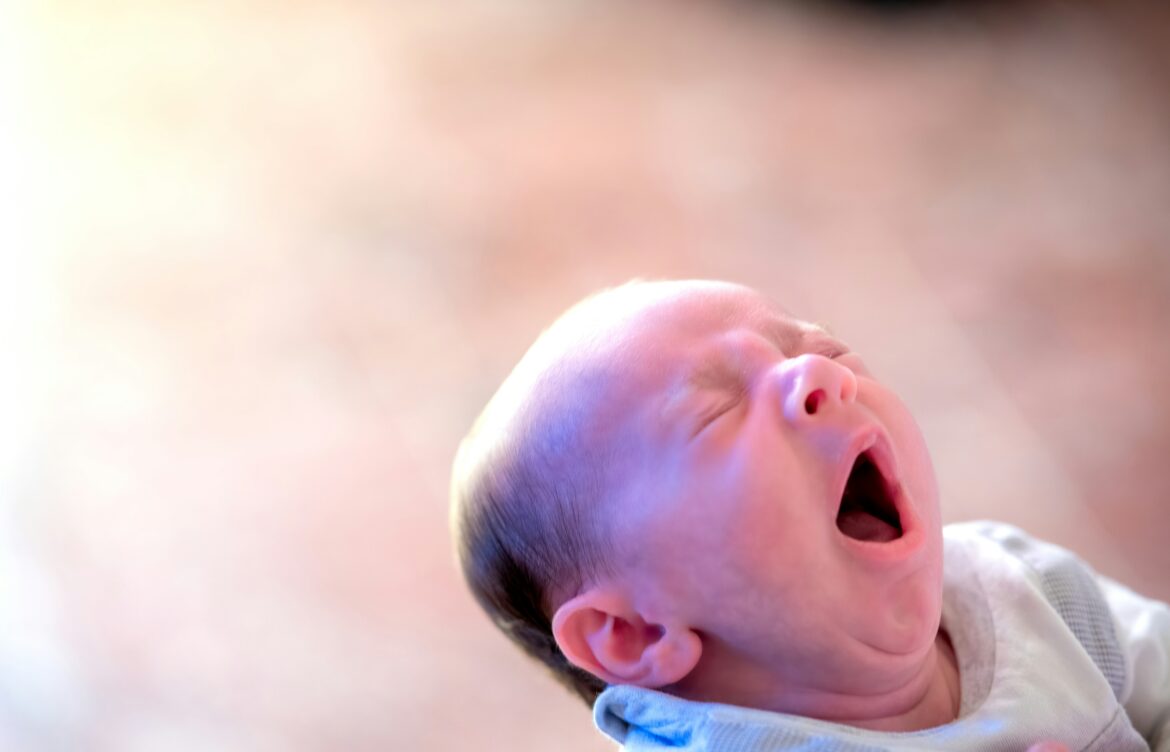
Understanding Infant Overheating: Signs Every Parent Should Know
High-Risk Situations to Watch Out For
When it comes to infant overheating, certain everyday situations can increase risk without parents realizing it. Being aware of these scenarios helps you take quick and effective preventive steps.
Over-Bundling in Moderate Temperatures
It’s natural to want to keep your baby warm, but too many layers in mild weather can easily lead to overheating.
- Avoid using thick blankets or heavy clothing indoors unless it’s genuinely cold.
- Use the “one more layer than you” rule: dress your baby in just one extra light layer than what you’d wear.
- Check the back of your baby’s neck—if it feels hot or sweaty, they may be overdressed.
Car Seat Naps and Fabric Insulation
Car seats can trap heat, especially when babies are napping or if the seat material has poor breathability.
- Limit the amount of time your baby sleeps in a car seat outside of travel.
- Choose a car seat with breathable fabric whenever possible.
- Never leave a baby sleeping in a car seat in a parked vehicle, even for a short time.
Hot Rooms and Poor Air Circulation
A room that feels comfortable to an adult may not be ideal for a baby, especially if air isn’t moving well or temperatures rise overnight.
- Maintain a room temperature between 68°F and 72°F (20°C to 22°C).
- Use fans to improve airflow, but make sure they aren’t blowing directly on the baby.
- Avoid placing cribs near heat sources like radiators or direct sunlight.
By recognizing these high-risk situations early on, parents can take small steps that make a big difference in keeping their baby safe, cool, and comfortable.
Enhancing Comfort While Staying Close
Physical closeness doesn’t just promote emotional bonding—it also plays a key role in regulating an infant’s body temperature. Babies, especially newborns, are still developing their ability to balance internal temperature. Your touch can help stabilize and maintain a safe range for their tiny bodies.
How Closeness Supports Temperature Regulation
Staying physically close to your baby can help:
- Stabilize fluctuations in body temperature
- Promote calmer breathing and better sleep
- Create a sense of safety and comfort
The Role of Skin-to-Skin Contact
Skin-to-skin contact is one of the most effective ways to regulate a baby’s body heat. When done correctly, it provides soothing warmth without raising the risk of overheating.
Tips for safe skin-to-skin care:
- Hold your baby against your chest with minimal layers of clothing
- Avoid covering the baby’s head or overdressing during the process
- Stay aware of room temperature to prevent excess warmth
Finding the Right Balance
While closeness is comforting, it is important not to overbundle or accidentally trap heat against the baby’s body. Safe positioning, breathable fabrics, and attentiveness ensure your baby benefits from bonding without discomfort.
To explore this topic further, read more on the importance of baby bonding for a deeper understanding of the delicate balance between warmth and safety.
Why Infant Overheating Is a Serious Concern
Babies don’t regulate their temperature as well as adults. Their bodies are still figuring out how to balance heat and respond to the environment. They sweat less, have thinner skin, and a higher body surface area relative to their size. That means they can heat up fast, especially in warm conditions or when overdressed.
Because of this, infants are more vulnerable to heat-related issues. Heat rash is common when sweat pores get clogged. Dehydration can happen quickly because babies lose fluids faster and can’t always communicate their discomfort. In more serious cases, consistent overheating has been linked to increased risk of SIDS.
Understanding how temperature impacts your baby isn’t just useful—it’s essential. Every ounce of care in monitoring their environment helps keep them safe, healthy, and comfortable.
Early Signs to Watch For

Babies can’t say they’re too hot, so their bodies do the talking. Watch out for flushed cheeks, quick breathing, and skin that feels noticeably warm to the touch—especially on the back of the neck or chest. These are straight-up warnings that your baby may be overheating.
Restlessness is another clue. If your baby is stirring more than usual or having trouble staying asleep, heat might be the culprit. Sweat-soaked hair, damp clothes, or even slight irritability can also signal discomfort.
Some signs are easy to miss. A baby who sleeps with arms flung out wide could be trying to cool off. If you notice fewer wet diapers or a lack of interest in feeding, dehydration from overheating might be starting to set in.
For a deeper look at these cues (and what to do next), visit: Signs of Overheating.
How to Prevent Overheating
Keeping your baby comfortable starts with the basics: the room they sleep in, the clothes they wear, and what they’re wrapped in. Aim for a room temperature between 68 and 72 degrees Fahrenheit. If you feel warm in a sweatshirt, your baby might be too warm with extra blankets or layers.
Seasonal dressing matters. In summer, a light cotton onesie is often enough. In winter, think in layers—a breathable undershirt with a footed sleeper works well. Skip hats and thick blankets indoors. Nighttime should be about breathable comfort, not bundling up.
Choose bedding made from natural, breathable fabrics like cotton or bamboo. Avoid thick quilts or heavily padded sleep items. A fitted sheet on a firm mattress is usually enough. Sleep sacks can be a good choice—warm but safe.
Fans can help with circulation, especially in warmer months. Just keep them pointed away from the crib and out of reach. If you’re using AC or any ventilation, make sure it’s clean and not blasting directly at the baby. It’s about air movement, not a draft.
The goal is simple: keep things cool, light, and safe. Your baby should feel just right—not sweating, not chilly, and definitely sleeping better because of it.
When to Get Medical Help
Some signs just can’t be brushed off. If your baby is extremely hot to the touch, unusually lethargic, vomiting, or not feeding well, it’s time to call a doctor. Same goes for fewer wet diapers than usual or if they’re breathing rapidly and seem confused or unresponsive. These can be signs of heat exhaustion or even heatstroke, which requires emergency care.
If your baby is overheating but alert and responsive, you can act quickly to help them cool down. Start by moving them to a cooler room or shaded area. Strip off extra layers, but don’t go straight from hot to cold. Avoid ice baths or blasting fans directly on them. Instead, wipe them with a lukewarm damp cloth, especially on pulse points like wrists, neck, and behind the knees.
It’s also important to know the difference between overheating and a fever. Overheating is caused by external conditions like temperature or clothing. A fever is due to illness. If the baby’s temperature doesn’t drop after cooling measures or spikes quickly, you may be dealing with more than just heat. That’s your cue to get medical advice.
Final Thoughts
Staying alert doesn’t mean hovering—it means paying attention to the little things that affect your baby’s comfort. A room that feels fine to you might be too warm for your infant. A cute new sleep set might trap more heat than you realize. Awareness is about tuning in and adjusting as needed.
Temperature care should be part of your daily routine, not a one-time checklist. Feel their chest and neck for warmth. Notice if they’re sweating or seem restless. Look for patterns in how they sleep based on what they’re wearing or how the room is set up.
Instincts matter. If something feels off, it’s worth digging into. But back up that instinct with simple, reliable knowledge about what babies need to stay in a safe, comfortable temperature range. That balance—between gut feeling and grounded understanding—is what makes the biggest difference.

 Mattie Hubbard is a distinguished figure in the field of sustainable agriculture, known for her innovative approaches to environmentally friendly farming practices. With a deep-rooted passion for the earth and a commitment to ecological balance, Mattie has become a leading voice in promoting sustainable methods that benefit both the environment and the farming community. Her work often involves integrating traditional agricultural knowledge with modern techniques to create systems that are both productive and sustainable.