
Dental Health Tips During Pregnancy For A Bright Smile
Tip 1: Don’t Skip the Dentist
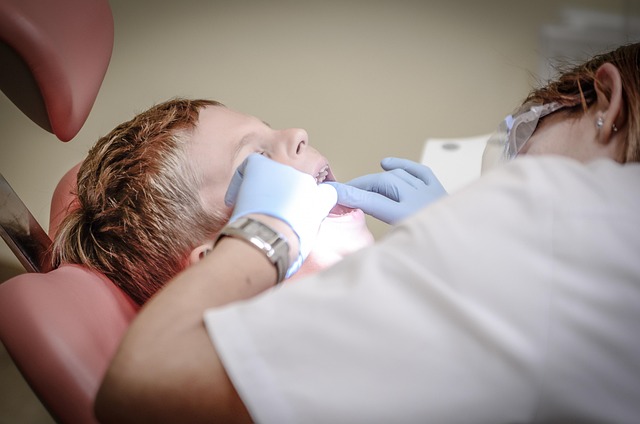
Seeing your dentist while pregnant is not only safe, it’s important for both your health and your baby’s. Dental care during pregnancy helps prevent problems that can become more serious if ignored.
Why the Second Trimester is Ideal
- The second trimester (weeks 13–27) is considered the safest time for dental visits
- Morning sickness tends to subside, and lying in the dental chair is more comfortable than in later stages
What Routine Cleanings Can Do
- Help control plaque buildup that can lead to gum inflammation
- Detect and address issues early before they progress
- Support overall oral health during a time of hormonal change
Always Inform Your Dentist
- Let your dentist know you are pregnant before any procedure
- Your care can be adjusted to avoid unnecessary X-rays or medications
- Personalized attention ensures the safety of both you and your baby
Tip 5: Prepare for Postpartum Dental Shifts
Bringing a baby into the world changes nearly every part of your daily life—and that includes your dental routine. With new responsibilities, broken sleep patterns, and a shifting schedule, oral care can easily get pushed aside. But maintaining your dental health should still be a priority.
Common Postpartum Challenges
- Interrupted sleep can lead to skipped brushing or flossing
- New routines often mean oral care isn’t top of mind
- Increased stress may create habits like grinding or clenching teeth
Being aware of these challenges is the first step in addressing them.
Schedule Follow-Up Dental Appointments
Don’t wait for a problem to arise.
- Plan a dental checkup a few months after giving birth
- Address any pregnancy-related issues like gingivitis or enamel wear
- Reinforce good habits and adjust your oral care routine for your new lifestyle
Your dentist can evaluate changes and help you carve out a sustainable plan for ongoing oral wellness.
Make Dental Health Part of Postpartum Self-Care
Self-care in the postpartum stage is about more than rest—it’s about rebuilding stability. Add dental care into your wellness routine by:
- Keeping dental supplies (like floss and mouthwash) easily accessible
- Setting reminders if you’re adjusting to new sleep and feeding schedules
- Viewing oral care as a few consistent daily victories amidst the newborn chaos
Your smile deserves attention just as much as the rest of your recovery.
Explore ways to support your body after baby in embracing postpartum care
Why Dental Health Matters More Than Ever
Pregnancy brings a surge of hormones that affect almost every part of your body, including your mouth. Higher levels of estrogen and progesterone can make your gums more sensitive and prone to inflammation, which increases the risk of gum disease and tooth decay. It’s not just a cosmetic issue—oral health during pregnancy has a direct connection to your overall prenatal well-being. Infections in the mouth can potentially impact other systems in your body, making prevention more important than ever.
Keeping your smile healthy isn’t just about you either. Studies have shown that poor oral health in pregnancy could be linked to complications such as low birth weight and preterm birth. A strong daily dental routine and regular checkups help create a healthier environment for both mom and baby. In short, taking care of your teeth is one way to invest in your body during this critical time.
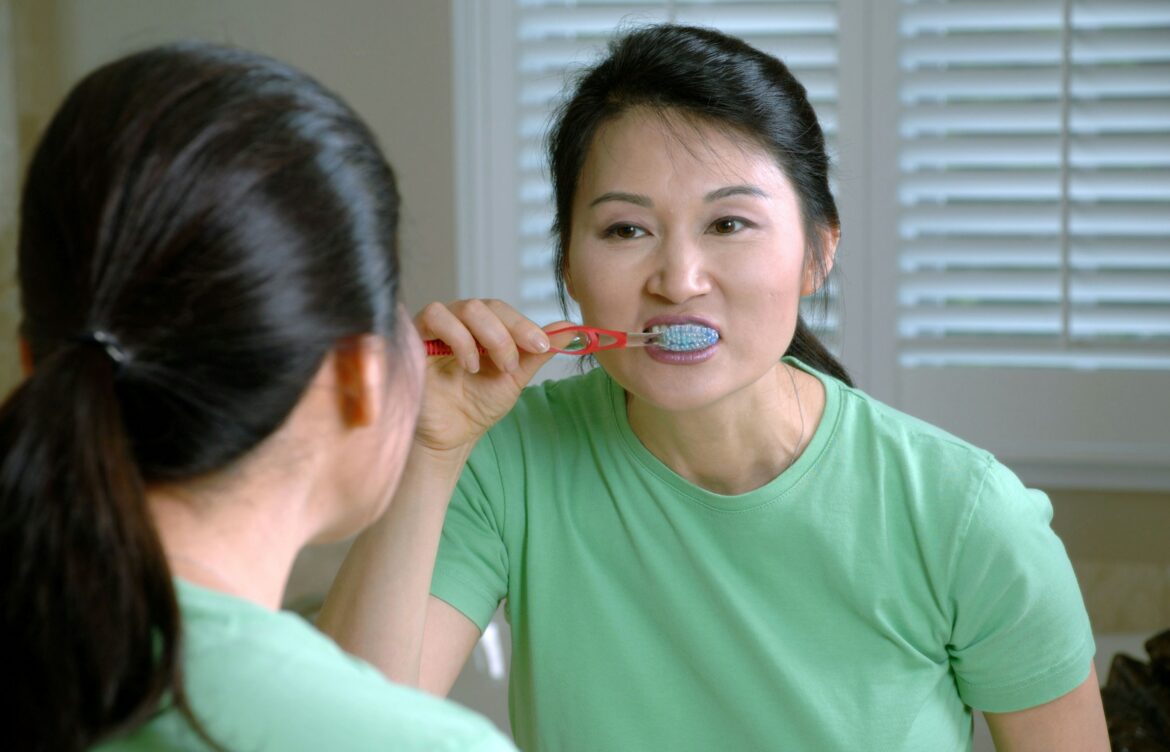
Good oral hygiene matters even more when you’re pregnant. Start with the basics: brush twice a day using fluoride toothpaste. It strengthens enamel and helps keep cavities at bay. Floss once a day too. Your gums may bleed more easily due to hormonal changes, but that’s all the more reason to stay on top of plaque.
Craving sweets? That’s normal. But try swapping sugary snacks for calcium-rich options like yogurt, almonds, or cheese. Your teeth—and your baby’s developing ones—will thank you.
Read more on mindful oral hygiene habits during pregnancy in our full guide on pregnancy dental care.
Tip 3: Watch for Common Pregnancy Dental Issues
Pregnancy doesn’t just change your belly—it changes your mouth too. One of the most common issues is pregnancy gingivitis. That means swollen, tender gums that bleed more than usual. It’s driven by hormonal shifts and extra blood flow, and if ignored, it can lead to more serious gum disease.
Morning sickness also takes a toll. The acid from frequent vomiting wears down your tooth enamel over time. Brushing right after might seem like the right move, but it’s better to rinse first with water or a baking soda solution to neutralize the acid before brushing.
Some women even notice teeth feeling wobbly. That’s no illusion. Hormones can loosen ligaments around your teeth. It’s usually temporary, but don’t write it off. If anything feels off with your bite or you’re spotting unusual movement, check in with your dentist immediately.
Tip 4: Nutrition Is Key to Healthy Teeth
What you eat while pregnant isn’t just for your energy—it’s also building the foundation of your baby’s future teeth. Calcium, vitamin D, and phosphorus are your go-to nutrients here. Calcium strengthens tooth enamel and bone, vitamin D helps your body absorb that calcium, and phosphorus supports overall tooth structure.
Staying hydrated matters more than it looks on paper. Saliva is your mouth’s first line of defense against decay, and dehydration can slow it down. So keep a water bottle close.
The real headline: prenatal nutrition directly affects your child’s oral health. Those baby teeth are forming below the surface. Fewer cavities later on could start with better choices now. Small tweaks in your meals today can make a big difference in both your smile and your baby’s.
Pregnancy demands a lot from your body, and your mouth is no exception. Hormonal changes can make gums swollen, sensitive, and more prone to bleeding. Morning sickness can erode enamel. Cravings might tempt you into more sugar than usual. It’s a perfect storm for dental issues if you’re not paying attention.
The good news? Most of these challenges are manageable with a solid routine and a bit of planning. Brushing and flossing daily, eating nutrient-rich foods, and seeing your dentist at the right times can go a long way. Think of dental care as part of your prenatal plan, not optional maintenance. From first trimester to those hazy newborn days, your smile deserves care too.

 Angela Labombard is the visionary founder and lead copywriter of Mummy Vibes, a blog dedicated to the multifaceted journey of motherhood. With a passion for storytelling and a deep understanding of the parenting landscape, Angela has created a platform that resonates with mothers across the globe. Mummy Vibes is more than just a blog; it’s a community where mothers can celebrate their joys, share their struggles, and find practical advice for navigating the complexities of parenthood. Angela’s commitment to empowering mothers shines through every post, whether it’s offering tips for sleepless nights or celebrating the achievements of inspiring moms. Her ability to connect with her audience on both the joys and challenges of motherhood has made Mummy Vibes a go-to resource for parents seeking support and inspiration on their parenting journey.